Showing posts with label G. Assignment 6 - Screenplays. Show all posts
Showing posts with label G. Assignment 6 - Screenplays. Show all posts
Wednesday, 10 February 2021

Wednesday, 6 January 2021


Tuesday, 5 January 2021
Tuesday, 8 December 2020
Tuesday, 1 December 2020
Wednesday, 18 November 2020
Research Dossier
~ Submission of work ~
Here in the UK, as well as in many other paces all over the world in fact, many companies hold screenwriting competitions which allow and encourage young aspiring screenwriters to send in their scripts in an effort to get more new talent noticed and perhaps even in some cases more recognized by the industry going forward. As stated, there are a lot of different competitions like this being held every year in the United Kingdom, each with their own prizes, guidelines and/or rules. For example, the competition known as the 'BAFTA Rocliffe' writing competition is held each year, calling for "film, television drama, children's media and television comedy script" (BAFTA, How We Support Talent, BAFTA Rocliffe New Writing Competition). After a "blind" judging process, each submitted selected script is then performed by a professional cast to an audience full of directors, producers, actors, literary agents and development executives in order to give the emerging talent who applied a platform, giving them feedback and advice from professionals if their piece is chosen. Over two years, the competition has four application windows, where the applicant must be aged over eighteen years old, have been a UK resident for at least five years prior to the deadline and pay a slight fee in order to submit their script in the form of a PDF file. Similarly, the page known as ''UK Film Festival Script Competitions" has an available competition which is made in order to accept "10 minute screenplays", with their aim being to get the winning scripts they decide on to get put into production, being known for successfully connecting many screenwriters to the film industry and getting movies created as a result (UK Film Festival London, Script Competitions, 10 Minute Screenplay Competition 2020).

For the screenplay I have been working on, secondary research techniques were used quite often while in the idea development part of the process, specifically when thinking about the current and/or past film trends of the world. I researched using sites like 'IMDB' (the internet movie database) and Google to find out things such as the movies of each year which made the most money in the box office, what genres each were, and so on.

Both forms of research, primary and secondary, have their own positives and negatives to them, leading to it often being useful to use both types when researching something to get the best results possible. In terms of primary techniques, due to the fact that the research is being done by the ones looking for answers, often, the questions being asked and researched for are a lot more specific to the actual production and topic than the answers any kind of secondary research like searching a question on Google would bring up. For this reason, primary is often better in the aspect that the results found from it are often a lot more specific and accurate to what the researcher is looking for. However, on the other side of this, taking part in primary research techniques can take a lot longer and be a lot more work than secondary; instead of needing to create and find people to fill in a survey for example, the faster speed of researching information secondarily using already existing data which is the same, if not at least similar, to what you are looking for is, for some, a much easier and time saving method.
I have found that out of all the information I have come across during my research portion of the screenplay creation process, the pieces which ended up being most useful for my script was the class feedback I received about the premise of what causes my main character's life to be changed the way it does in the script. I found that the change being caused by an injury or something similar may be a bit too insensitive, especially considering that the film will be taking a comedic approach to its storytelling. So, once hearing that, I decided to change it to be more in line with the films the screenplay is inspired from in the first place and have the change be caused by a wish/curse instead. On top of this, as stated, the type of movie I am getting a lot of my inspiration from for the basic storyline of my screenplay are movies similar to that of 'Shallow Hal' and 'Liar, Liar', both of which I have seen earlier in my life, but will be re-watching in order to get a good idea of how they managed both their comedy and emotion driven scenes, how much of each they had, and had to transition from one type to another smoothly without jarring the audience.
Even though I of course spent time researching current trends in the film market (in this country and worldwide), in terms of factors like what movies made most in the box office for example, I ultimately decided to disregard the information I found about the most profitable movies being made over the past few years and the genres they fit in. Specifically, I found that over the past five years, the movies which ended up being the most 'successful' in terms of box office returns were screenplays based on superheroes and comic books (such as the Marvel Cinematic Universe), and family friendly features which fit under the genre of 'adventure' (being mostly Disney's animated movies and other child-friendly productions similar) (The Numbers, 2021, All Time Worldwide Box Office). The reason I decided that despite this information, I wouldn't make a screenplay inspired by either of these statistics was simply that I did not think that creating a script that fits within these genres would be enjoyable to me - even though they were the massive successful trends happening currently in the western world movie scene.
As for the information I have researched and decided to use to assist my screenplay creation process, I have stored notes about it all and kept it documented on a PowerPoint presentation dedicated to information and potential ideas for the project - this is the same file I will also be using to pitch my script to the rest of my class.


Here in the UK, as well as in many other paces all over the world in fact, many companies hold screenwriting competitions which allow and encourage young aspiring screenwriters to send in their scripts in an effort to get more new talent noticed and perhaps even in some cases more recognized by the industry going forward. As stated, there are a lot of different competitions like this being held every year in the United Kingdom, each with their own prizes, guidelines and/or rules. For example, the competition known as the 'BAFTA Rocliffe' writing competition is held each year, calling for "film, television drama, children's media and television comedy script" (BAFTA, How We Support Talent, BAFTA Rocliffe New Writing Competition). After a "blind" judging process, each submitted selected script is then performed by a professional cast to an audience full of directors, producers, actors, literary agents and development executives in order to give the emerging talent who applied a platform, giving them feedback and advice from professionals if their piece is chosen. Over two years, the competition has four application windows, where the applicant must be aged over eighteen years old, have been a UK resident for at least five years prior to the deadline and pay a slight fee in order to submit their script in the form of a PDF file. Similarly, the page known as ''UK Film Festival Script Competitions" has an available competition which is made in order to accept "10 minute screenplays", with their aim being to get the winning scripts they decide on to get put into production, being known for successfully connecting many screenwriters to the film industry and getting movies created as a result (UK Film Festival London, Script Competitions, 10 Minute Screenplay Competition 2020).
'Commissioning bodies' also exist, accepting unsolicited scripts and helping new writers fund their upcoming projects, ultimately helping the project get made and the writer's vision become a reality. In the United Kingdom, one of the main bodies is known as the 'BFI' (British Film Institution), funded by the National Lottery with the purpose of supporting the "formal development of original live action, emerging media and animation feature film-making from treatments to production-ready screenplays", with the way to apply to receive funding being as simple as creating an account on their website, deciding which type of funding fits you and your project best and following the steps the website then displays before you (BFI, 2021, About the BFI).
~ Background Material (for concept/idea generation) ~

Above is a link to a blogpost which shows and explains how to properly and professionally layout a screenplay (Blogger, 2020, Screenplays).
When writing a screenplay, it can sometimes be hard to come up with the initial ideas for the story that the script will be revolved around. When looking for sources of inspiration however, there are many different avenues a writer could look towards and take from in order to make the development of their screenplay a little bit easier for them. One place of inspiration which is often taken from is the writer themselves - specifically, past experiences of a writer's life can sometimes be taken and used to create a new story, following very closely to the true events that occurred or straying from them once the initial inspiration has been found. Iain Morris and Damon Beesley have gone on record stating that many of the episodes of their British sitcom 'The Inbetweeners' were based off of real things and events that had happened to themselves when they were the ages of the four characters of the show, enhanced slightly and spread across the four (The Guardian, 2010, Inbetweeners creator admits he's Will, and his co-writer is Jay (with a bit of Simon)). Similarly, sometimes television show or movie ideas are inspired by genuine events and/or news stories that have occurred, staying with the idea of taking inspiration from real life, just not as personal to the writers. This can happen in a few different forms, like in the form of a 'biographic' like 'Bohemian Rhapsody' (2018) by director Bryan Singer, following the true story of a famous or well-known figure and sticking quite close to what really happened (although it isn't too uncommon for creative decisions to be made during these films which did not actually occur as to make the film more interesting or fit the classic 'Hollywood structure' better and make for a better film) (IMDb, Bohemian Rhapsody, Storyline). However, it can also stem from a true event and take the story into a completely fictional route, with the initial true event acting more so as a background setting for a lot of the movie, such as with Taika Waititi's 'Jojo Rabbit' (2019), being set during the second world war and using the German's side of the war's events as a part of the plot which can affect the main story being told, but not being the entire focus of the film (IMDb, Jojo Rabbit, Storyline). Writer's sometimes even take inspiration from other peoples existing works, whether it be from specific films, genres, or styles of film making from other screenwriters and directors as to come up with their own individual vision. An example of a film series which very clearly are made from finding inspiration from others is the 'Scary Movie' film series by the Wayan brothers, going as far to take the form of parody, poking fun at horror films from recent times to their release, as well as the genre as a whole, in order to create new, comedy-focused story-lines (Wikiwand, Scary Movie (film series), Introduction).

[The slide from my research and pitch PowerPoint which shows off my initial inspiration sources for my script]
~ Research ~
'Primary' research is often considered as the more personal form of researching, done by the party involved in the development of the product that the research is being done for (in this case, a screenplay). Examples of primary research options include surveying people with your own custom-made survey, interviewing significant people and asking them things directly, and asking questions to a focus group in order to get a larger amount of results back.
In terms of sources of primary research I personally took part in while working on my own screenplay, there are not a lot of examples of where I used any. However, one form of primary research I, along with the rest of my media class, took part in involved going around the whole class and letting each person explain the basic premise and plot of their screenplay ideas as to allow and encourage feedback from the rest of the class on the ideas. This feedback would include whether or not anyone in the class would watch the movie/short film that the person was pitching, as well as other helpful notes like features which may make the script better if they were added and/or removed for example.
'Secondary' forms of research are different in the fact that instead of researching a topic and forming your own data and answers to questions, you will instead be looking into answers that can be found within already existing data. This existing data is already out there and usable due to somebody already doing their own primary research at some point in time, and putting their results out there for others to use for their own projects, such as historical information when creating a period piece for your film. For example, you may be find data and answers related to what you are trying to research using secondary techniques such as paying attention to news articles, getting a hold of a textbook and reading through it, or simply by using search engines like Google to search the questions you want and get the result from a site that comes up - this is, of course, if the data matches what you were looking for close enough.

~ Prepare Material ~

On top of all the other research I did, I also watched three movies I believed would be helpful for me to watch in order to gain some inspiration or ideas as for how to properly present the ideas I want to include in my final screenplay to the best of my ability. I ended up deciding on three movies, these being Shallow Hal (2001), Mrs. Doubtfire (1993) and Liar, Liar (1997), each for their own reasons which I believe relate to my own film idea, as well as reading an article on head trauma and how it can affect someone's personality going forward, similar to what happens to the character of Ed in the script.
Starting with 'Shallow Hal', this is a movie revolving around the character Hal, who starts the movie living quite a misogynistic lifestyle, judging women on their appearances alone and, as a result, never finding a partner. We are shown at the very beginning of the movie that the reasons for his life being led as such was due to the words his father said to him about women and how to judge them moments before he died in front of him, traumatising him and changing his outlook on life from then on. The main plot of the movie centers around when Hal gets this mindset changed by a hypnosis-like affect put onto him by a man named Tony Robbins, who he gets stuck in a lift with. This causes him to see people's appearances based on their inner self instead, until it is changed back by his similarly misogynistic best-friend, Artie, near the end of the movie, at which point Hal's mindset has already been changed after many thought-altering events occur to him over the film's runtime, and he stays with his new partner, who while shown as a typically 'unattractive' character, is still believed to be beautiful by him no matter how he sees here. Similarly to my screenplay idea, the character's personality is changed fairly early on in the movie's plot, in a way that he does not realise until it has been changed back by Artie. This is the thing that drive's the film's story points forward, quite like the way my character's personality gets changed will also drive forward many of the important moments of the film. A lot of comedic situations and lines are also caused by this personality change, while the movie also manages to fit in moments of heartfelt sincerity and self-reflection of both Hal and even the audience, such as Robbins discussing the idea of outward and inner beauty to Artie and how the media portrays it to us, as well as when Hal realises once he has had his mind changed back that the children in the hospital scene from earlier in the film were actually burn victims, which is a big moment for his character arc. These comedic and heartfelt moments manage to co-occupy the same script comfortably without switches between the two ever coming off as jarring or odd - something I would like to incorporate in my film (IMDb, Shallow Hal, Storyline).

Next was 'Mrs. Doubtfire', another comedy film this time led by Robin Williams, running with the main plot of a man going through a divorce and dealing with his separation from his children by disguising himself as a woman in order to be able to secretly become the family's new housekeeper and spend time with them, while allowing him to support himself at the same time with the end goal of making enough to improve his life and be allowed to share custody of his children again. As just mentioned, the main event that this film's story revolves around isn't a very positive one, that being the divorce of our main protagonist, Dan, and his wife, and how he is forced to distance from his children. Despite this however, the movie still works very well as the one of the genres it is going for - a comedy. As well as this, while the movie's ending can still be considered a happy one, with custody eventually being shared between the two parents despite all the hurdles and ups and downs that occur throughout the movie's plot, the point in which the characters end up in is not the same as where they are at the beginning, and could still be considered by some people to be a slightly worse situation in some ways than the situation they lived in during the movie's beginning scenes. This is similar to my screenplay, with instead of a divorce, the break-up between my main character and his partner being a huge part of the movie's plot, as well as the intended ending being one where things are better than they were during the main middle section of the film, but quite different than the beginning, with Ed living to get closer to a normal mindset with the help of his partner. Managing to keep a film's script funny and 'feel-good' while it's main driving force is quite a depressing event is not easy, but I would like to take note from this movie how to do it, using the event in some places for pieces of slightly dark humour, while at other times, such as the ending, using it to portray a heartfelt message to the audience about toleration and awareness of people's mental health issues and how they may not be able to control the way they act (IMDb, Mrs. Doubtfire, Storyline).

Finally, I decided to take a look at 'Liar, Liar'. This movie has a lot of similarities with the first film I chose, that being 'Shallow Hal', as it's main character, Fletcher, also begins the movie with a negative trait a huge part of his personality, with it then being changed quite drastically for the midpoint of the movie and then ending in a positive finish, with characters learning to change for the good. In the case of this movie, Fletcher begins the movie as a lawyer and a father who lies a lot, hurting his son and ex-wife as a result, until his son makes a wish that causes Fletcher to find it literally impossible to tell a lie. This leads to many funny moments and examples of situations of which this new trait puts the character into, until he ultimately makes up with his family and partner at the end again after realising his mistakes from earlier in the film. Our main protagonist here is played by Jim Carrey who, similarly to Shallow Hal's main actor, Jack Black, is generally quite a likable performer, having his own unique acting quirks and deliveries of lines which make his portrayals of characters different to those played by any other actor. As a casting choice, the idea of having a main character played by a performer of this sort is very appealing to me, as it adds to the enjoyability of a movie having quite a likable, charismatic lead I believe (IMDb, Liar Liar, Storyline).

On top of the movies I watched, I also found it quite useful to read an article I found which focused around the concept of what real head traumas can do to a person's brain and how, in some situations, it changes that persons personality in some way or another. The article states that it is not extremely uncommon for people who suffer from some sort of traumatic head injury to suffer from "social anxiety, irritability, anger, depression, feelings of overwhelm, general anxiety, mood swings, or emotional lability (teariness)" after the injury has occurred. These personality changes are apparently due to, as it can be described in the most basic sense, a disruption caused by the concussion in the connections "between neurons and the blood vessels in your brain", with "as much as 30%" of concussion patients having symptoms of this sort long term after the event. While a personality change like the one that affects my screenplay's character aren't actually possible in the real world, a change that resembles it the closest will be the changes that come under "impulsivity", with oddities being caused in the brain's "cingulate gyrus or anterior insula," both being "brain regions involved in emotions and impulse control", or "sleep disruption" because of the injury leading to other "impulsivity and behavioural changes" (Cognitivefx, 2020, 'Personality Changes After a Brain Injury or Concussion: Irritability, Sadness, Social Struggles, and More').
Reference List:
BAFTA, 2021, BAFTA Rocliffe New Writing Competition, available at
UK Film Festival London, 2020, 10 Minute Screenplay Competition 2020, available at
BFI, 2021, About the BFI, available at
William Grimmer, 2020, Screenplays, available at
Iain Morris, 2010, Inbetweeners creator admits he's Will, and his co-writer is Jay (with a bit of Simon), available at
IMDb, 2018, Bohemian Rhapsody, available at
IMDb, 2019, Jojo Rabbit, available at
Wikiwand, (no date), Scary Movie (film series), available at
The Numbers, 2021, All Time Worldwide Box Office, available at
IMDb, 1993, Shallow Hal, available at
IMDb, 2001, Mrs. Doubtfire, available at
IMDb, 1997, Liar Liar, available at
Dr. Alina Fong PhD, 2020, Personality Changes After a Brain Injury or Concussion: Irritability, Sadness, Social Struggles, and More, available at
Tuesday, 17 November 2020
Wednesday, 4 November 2020
Narrative Structure & The Crazies + Battle Royale

1- Two examples of events that cause later events in the film, which occur before the film 'starts':
It is often common in movies for events to occur before the 'beginning' of the film's runtime which end up being important and affecting the plot we see going forward, causing later events to occur. 'The Crazies' is an example of one of these movies, with one example of one of these happenings being the cause and reason for the people in the town acting strange and becoming murderous, leading to the rest of the events that occur throughout the plot. It is revealed during the first act that there is a plane below the town's lake waters, due to it crashing there many years before the film's setting; it's also later revealed that this plane contained a bio-weapon which was intended to be used on one of the countries America was at war with at the time in order to "destabilize" them. This is the reason the town's population became 'crazy', as the bio-weapon in the lake leaked into the water supply infecting everyone. Another example would be our two protagonists' survival to the end of the movie. Due to Judy being pregnant (which is the event caused off screen), David goes back to save her and escape, avoiding both himself and her being killed by the government at 'QuickPhil's', as it is revealed near the films end that both the infected and healthy were taken to be murdered.
2- Two events from the 92-minute film which happen in a different time and space to the one we are shown:
Similarly, there a some events from the movie which happen in a different time and place to what we are being shown on screen. These types of events can either be big and important pieces of context to the plot, or small and relatively unimportant for us to see, hence why we don't. Although Russel is quite an integral character to this film's story and he is on screen for a majority of it's second half, we as the viewer are not shown quite a lot of his journey throughout the movie, such as when the government take him from his home to bring him to the high school along with the rest of the town, his escape from said situation, and the story he mentions later on about his tyres getting spiked and his escape from that too. There are also a few occurrences at some of town's businesses before the population is thrown into panic, such as at the blood tests for Roy from the first act and the man at the funeral parlour, being only shown the results of the test coming out as zero and the man having his eyes and mouth already sewn shut respectively.
3- Key plot points in the film which I would associate with the three-act structure:
Three plot points from this movie's plot which I would say seem to match up to the main idea of a typical 'three act structure' start with the scene where David makes the decision to shoot the random member of the town who is seen as acting incredibly strangely, walking onto the baseball pitch in the middle of a game. This is the first time we are subtly shown how something is weirdly affecting members of the area, and results eventually in many other examples of people acting similarly, which we then find out is due to an illness which has come from the plane corrupting the town's water supply. Act two's key plot point is likely David deciding to attempt to save his Judy when they are separated from each other once the virus has become in need of 'contamination'. Without this moment, Judy would have been killed, and as we learn towards the end of the film's runtime. so would have David, meaning that none of the events of the movie we see from this point onward would have even been able to take place. Finally, the final act's key plot-point is the moment David and Judy manage to escape their town before the huge bomb goes off and manages to kill them, leading them to survive until the end of the film's runtime (even if the fate of their lives from that point onward is questionable).

Battle Royale (2000):
1 - Synopsis summarising the narrative of Battle Royale + a logline for the film:
'Battle Royale' as a whole has quite a simple premise which can explained within quite a short logline - a group of young Japanese students are sent against their knowledge to an island, where they are commanded to fight to the death until only one is left alive in a set amount of time, otherwise they will all be killed. As the movie starts, we are shown that a near-future Japan has found itself in quite a serious recession, which is what initially inspires the following events of the movie. Due to this recession, the government decides to create the 'Battle Royale' idea for the country, with one revolving around a a middle school class. The class's students are placed on a school bus for what they believe to be a 'school trip', only for the bus and all the students in it to be knocked out with a gas send through it, all waking up on an unknown, private island with their teacher, Kitano, and two others who they are told are 'transfer students'. They are all explained the rules of the 'game', with only one of them allowed to be left alive by the end of the three days they are set, with the transfer students also taking part, certain zones to change in danger every few hours which is announced to them all over the island, and that if there are more than one left alive, they will all be killed by the bomb inside their neck bracelets. Shuya's friend is killed as to set an example to them all, before they are all individually sent out to the island, each being given their own unique 'weapon'. From this point onwards, two students from the class, a boy named Shuya who's father is seen to have committed suicide earlier in the movie, and a girl named Noriko who was seen to be the only person who would turn up to Kitano's lesson every time, act as our main two protagonists for the entire game. Throughout, many of the students' deaths, kills and betrayals are shown to us, with a list of who has died each day being listed at the end of each day. Our protagonists end up befriending and teaming with one of the transfer student, Shogo, while the other transfer, a volunteer named Kazuo, is on a killing rampage. Shogo explains that the transfers are actually winners from previous years, put back into the game. While the killing is constantly going on, a group of boys from the class are attempting to come up with an escape plan, as are our now three protagonists. Once everyone but them have died, the three end up tricking Kitano into believing that only one of them is left alive, which he does end up seeing through, but due to his like for Noriko being his best student, he allows the three to take a boat and escape the island, ending the game. Shogo ends up dying on the boat, leaving Shogo and Noriko to be the only survivors, now declared fugitives and on the run...
2 - Who are the main characters and what are their: names, genders and ages, roles and dramatic motivations? Do they conform to Propp’s defined character types?
There are arguably five main characters throughout the runtime of this movie. These are, Shuya Nanahra, Noriko Nakagwa, Shogo Kawada, Kazuo Kiriyana and Kitano.
As stated above, Shuya is the male student who, along with the female student Noriko act as our main two protagonists for the entire game until they manage to escape at the end. Shuya's father commits suicide a year before he is sent to the island, who on top of his best friend, Kuninobu, who is killed by the explosive necklace in front of the whole class, is one of the many people he cares about to die in front of him. Due to Kuninobu telling him that he had a crush on Noriko, he sees it as his job to look after her for him during the game and keep her safe.
Noriko acts as our other protagonist, sticking with Shuya throughout the entire game as much as she can and looking out for him as much as he does for her. She is seen by the teacher ahead of the whole, game, Kitano, as his favourite student, due to her being the only student to actually turn up to all of his lessons back when he taught the class and not treat him badly like many of the others did.
Kitano, as just explained above, sees her as his favourite student. This leads to him giving her special treatment during certain moment so the game, like letting her escae with the two others at the movie's end and not hurting her like a lot of the other students. It seems to be how the students treated him while they were his class a year before the game, such as Kuninobu stabbing his leg, which causes him to be so heartless and evil towards them during the game, allowing it to even take place in the first place.
Shogo is one of the two "transfer students" as they are first described to the students before the game begins to also take part. He was once apart of a previous 'Battle Royale' game to happen to one of his classes, in which he survived until the very end with his girlfriend before she ended up encouraging and causing him to kill her so he would survive and win. He ends up joining Shuya and Noriko midway through the movie, helping them to survive and stay safe, also helping with their plan to trick Kitano into letting them leave and actually escape near the film's end.
Finally, the other 'transfer student', actually ending up to be a simple volunteer to join the game and kill opponents, is Kazuo. Kazuo is shown to be a ruthless murderer throughout the entire game, unloading an excess of ammo from his weapons into any of the students he finds set on winning the game. He is not given a ton of backstory, unlike the other main characters, but still plays quite a large role in the story and our protagonist's path in the plot, until being killed near the very end of the game.
3- What genre is the film? What themes does the film exemplify?
This film can be fitted into multiple similar genres, such as thriller, action, adventure, drama and a little bit of sci-fi as well. The movie is set slightly in the future in a reality where a recession has caused the government to resort to their "BR ACT", which is where the slight science-fiction comes into play, as well as obviously the drama and thriller. Following the two/three protagonists about and hoping they survive at each issue they run into is where the adventure comes from, as well as the thrill of seeing them get out of dangerous situations and all of the killings and intricate deaths is where a lot of the action resides.
4- What happens in each of the three acts? Can you apply the realist / Classical Hollywood Narrative to this film?
In terms of a typical three act structure, I believe that it would be accurate to determine the key point of the film's first act to be the moment the students wake up on the island, completely unaware of what they are doing there or how they even got their in the first place. Before this point in the movie, we were given slight bits of backstory to a few of the characters who would go on to be integral to the movies main story, as well as the backstory to why the country had gotten to he point of deciding on this BR ACT to begin with, The second act is where we are introduced to our arguably third protagonist, Shogo, along with seeing the many murders of one of the story's villains, Kazuo, and multiple assorted scenes from the rest of the classes students; some of the scenes we are shown based on characters who we as the audience do not know a lot about are intricate kill and death scenes, while some of them on the other hand are scenes of a group of hopeful male students attempting to create a plan to escape the island sliver and learning more about the pure evilness of the game, such as the fact that all the bomb-necklaces they are wearing have microphones inside. In the final act, the three students we watch throughout the whole film manage to leave the island safely, with Shogo dying on the boat, and Kitano staying on behind on the island for a bit. Unlike a lot of films we are used to in the West which follow a typical 'classical Hollywood narrative, the movie doe not end in a particularly happy way, where even though Shuya and Noriko manage to survive the game, all of the other students, including a lot of them who were friends of our protagonists, have still died, with the two who escaped even now being labelled as 'fugitives' and having to live the rest of their lives (as far as we know) on the run. It is debatable however if the film's plot is one of 'realism' or not, as even though the idea of having children fight to the death is of course a very unrealistic scenario, especially one like the one shown in the movie, it could be argued that due to the movie being one that takes place in the "near-future", it is excused as being a showcase of what a 'potential' future may look like that.
5- How does this film differ, in regards to narrative, to 'typical' western films and TV shows? Think about characters, dialogue and narrative structures.
Many scenes in the movie are with characters who we as the audience have either only met a very few amount of times or have not seen at all before and know nothing about. Many of these exact scenes also end with shots of solely text on screen, telling us who has been killed and a few details about their death - these kinds of text shots aren't very common in western movies, unless they are in the form of time-passing for example, of which only appear often quite sparsely. During this movie also, it takes place all in one place for the most part - the private island the game takes place on. Other than the scenes before and after the characters get to the island, as well as a few flashbacks, everything takes place across the island during the game. We are also not given a massive amount of backstory to each character, with a lot of the film revolving around the spectacle of the kills more than our involvements in the characters, as we do not know much about them for us to make a connection with them.
Tuesday, 3 November 2020
Friday, 23 October 2020
The Commissioning Process and the Role of the Writer
-- Job Roles --
Screen Writers:
Screenwriters often get into their job role by practicing and writing their own screenplays as early on as possible, and presenting them to people in the industry. Often, when it comes to screenwriting for television, a lot of screenwriters start by joining an existing project. They will write and develop a screenplay for either a television episode of a movie, usually either based on an already existing story idea, or coming up with a completely new and original idea. They should prepare the scripts they create specifically in a way that make sure that readers are able to envisage the settings and emotions present in them, as well as the ways in which they will work when done on screen.
Writers are also known to collaborate with the projects' producers, directors and actors to redraft the scripts until they are all happy with the final one. Working with other members of the project is quite common for screenwriters, especially with the producers and directors, who they must have a very good, trust-heavy relationship with in order for the project to be as good as it could possibly end up. They also work with development producers & their assistants, actors, and sometimes even researchers in order for the screenplays to be factually accurate in any places they should be. In TV dramas, they may work with story producers and story-liners, who provide the frameworks for season-long story arcs that should be considered and incorporated into the writing when making the scripts.
Tight deadlines are not a rarity for screenwriters when it comes to their work. In film, screenwriters are expected to start by developing usually around three screenplay drafts; the third is known as 'the polish', being the version that is ultimately pitched to producers and/or film studios (alternatively, screenwriters may get commissioned by producers or studios to create one for them from the start). Once the screenplay gets chosen and picked up, other screenwriters may be brought in in order to help by working with a development producer so to get it ready for production. Sometimes, the screenwriter may unfortunately be replaced entirely by another some time into the project's production.
Along with the story producers and story-liners, script editors often work along with the main screenwriter(s) to improve the existing scripts to get them as close to perfection as they can get them. This includes correcting more factual features of the scripts by doing real research about the world in order to make the story and its features as accurate to life as they can/want to make it. On top of real research though, they will also take part in correcting the script in terms of the facts of the world within it, such as keeping characters who are present consistent with their personalities and/or arcs and keeping the season on the same course it began on in order to complete its ultimate arc if necessary.
Working for mainly publicly-funded organizations, script readers are responsible for reading screenplays given to them and writing full coverage reports on what potential the script may or may not have for development. Usually, these reports are between four and eight pages in length, involving a story breakdown, and an assessment of its suitability containing a logline, premise, synopsis, an analysis of its genre & tone, as well as (at least) two pages for comments on the weaknesses and strengths, an overall summary and verdict.
Directors:
These are often known to many as the "creative lead" of the project they are in charge of, holding the creative vision and keeping it as much as they can throughout the entire process (from pre-production until the final edit has been made). Directors have the job of imagining a visual form of the script that works, then working closely with other important members of the crew (director of photography, production designer and assistant director) once the money for the project has been found/raised to turn that image into a reality. They also eventually work with producers and casting directors, to find and choose actors, with directors of photography to develop the filming styles and notes for camera shots and changes to the script, and with lighting, wardrobe & make-up supervisors to instruct their jobs.
Producers:
The producer of a movie has a lot of important responsibilities, such as the financial, practical and creative parts of TV drama & film projects. They are often the driving forces of the productions throughout, right up until the project's eventual distribution, spotting and solving any problems that may have the potential of coming their way. Until then though, they have a lot of jobs to do; things like spotting the commercial liability and creative opportunity of the film, coming up with ideas for the stories and hiring writer and/or securing rights to scripts (also known as 'optioning') that they could use, and many other very important jobs. They are responsible for deciding on the projects overall scale and getting funding suitable for it, which if done wrong can change the project massively. A good producer will create a nice working environment for those working with them (like the line producers they are responsible for hiring) and and constantly communicate during the project with those they need to in order to make it the best they can.
Development Producers:
This type of producer is responsible for actually finding the stories and scripts that are eventually turned into a completed project and turn them into quality enough pieces of work in order for them to be commissioned by a TV channel/made into a feature film. Specifically, these pieces of the crew will read through the screenplays they have, analyze them deeply, in terms of what weaknesses and and strengths that may be attached to them, and ultimately assess whether or not they will overall be appealing to audiences. They should make script notes throughout the read through on these, requesting the writer of the script to make re-writes matching up with these notes. This is a very time consuming job, in some cases even taking up to ten years for the script to be finally put into production because of this step. When it comes to the TV side of this job, they are also responsible in some cases for pitching concepts to television commissioners (usually a verbal presentation). They will be employed by broadcasters, production companies and/or screen agencies, with amounts of responsibilities put upon them depending on the type of organization employing them.
Development Assistants:
Slightly similar to the development producers, the job of a development assistant is simply to help them out on their workload, due to this being only an entry level role. They will often do this by reading scripts, blogs & novels, write script reports of their own and take their own notes during any story-lining sessions they attend.
-- Commissioning Bodies --
There are five main ways a script can be put into production. These include going through corporations, independent production companies, independent directors or producers, organizations and/or competitions.
Corporations (larger companies, group of companies and/or individuals) are legal bodies which are separate from those who own it. That being said, they are still able to access the majority of responsibilities and rights that an individual is able to, such as being able to take out loans and borrow money, sue others & be sued, and enter into contracts. There are many popular examples of commissioning bodies of this type, such as the BBC and Channel 4. The BBC in particular are known for offering a variety of opportunities to get people's work and scripts seen and put into production, such as the BBC Writer's Room (BBC, Writer's Room, What We Do), and Sky also commission similarly (Sky, Sky Studios, Commissioning).

If you are an unknown writer, it may be beneficial to pitch to a smaller, independent production company. This is because you will be, for the most part, cheaper to work with, Often, smaller production do their own editing of scripts, also even sometimes receiving financial help from bigger corporations so to develop scripts in return for some of the revenue and money that is gathered from the final product. As an example, the company 'Hartswood Films' have made many shows which they have gone to companies like the BBC in order to acquire funding for. These shows ended up being made for the BBC and aired on their channels, with specific shows like 2007's 'Jekyll' being an example (hartswoodfilms, 2021, home).

As well as production companies that run entirely independently, there is also a chance for screenwriter's to get their works noticed and looked it by showing them directly to any independent directors and/or producers that may be interested in doing so. There are a huge amount of independent people out there who have the ability to help finance and turn your ideas into a reality, such as entrepreneur Dan Friedkin who helped out Ridley Scott by giving him 10 million dollars towards reshoots for 2018's 'All the Money in the World', and Ken Kao, the ex-lawyer who ended up co-financing 2017's 'Silence'.
Organizations also exist out there for the sole purpose of helping out and nurturing people that work with screenwriters, as well as the writers themselves. While they do not actually finance screenplays and their development, they do offer assistance in other areas, such as actual script development and the improvements of them, in order to give them the best chance of being seen. Many of these exist and are always there for screenwriters to join and get aid from, including but not limited to 'The National Writer's Room', 'The Author's Guild' and BBC's own 'Writer's Room' (BBC, Writer's Room, What We Do).

Many competitions exist out there which give aspiring screenwriters a chance to get their ideas seen and, in some cases, even picked up. This is a common occurrence in both Britain and America, with competitions like 'the Blue Cat screenplay competition' running at certain times of the year, letting unknown writers gain some more recognition for themselves and their talent (BlueCat, Competition, 2021 Competition).

-- Optioning --
"Optioning" when it comes to screenwriting is when contracted permission is given to somebody to have exclusive rights in terms of development of a screenplay. Usually, this is the process of a producer and some executives from a production company forming an agreement with the screenplay's writer which gives them exclusive rights for it in exchange of a fee, usually being at least a thousand dollars (maybe $2500 from higher-tier production companies) given to the writer. They must sign a contract agreeing that during the finite time period agreed for the company to own the rights, the writer are not allowed to sell on or create the project on their own without the company and/or studio's involvement - this is of course until the contract dates agreed run out, in which case the parties can agree to extend the time (sometimes with the writers being paid again, sometimes not), or the rights are returned exclusively back to the writers. Generally, this first timeframe will last between 6 to 18 months, averaging roughly at around a complete years time, with the companies also being given the first chance to renew the agreement for additional time before anyone else during the first agreed amount of months. During this contracted time period, the writer will be updated every now and again on the progress of the project, maybe even being invited to things like pitch meetings and asked to do rewrites for them, perhaps being paid for each one (all depending on the details of the contract signed - someone else may be brought in to do so instead). As for the contracts that come with screenplay options, they will include four main elements; these consist of the option period, payment, the purchase price and the renewal period and payment. It is also worth mentioning finally that even if a script is picked up from a writer by a company and contracted for optioning, this is not always a guarantee that the screenplay will be turned into a completed project, but no matter the case on if it does or not, the writer will still be paid regardless.
-- The different types of screenplays --
In professional productions of episodes of television and movies, there are two different types of screenplays, each holding their own importance to the project; the 'shooting script' and the 'spec screenplay'.
Spec scripts/screenplays (short for 'speculative screenplay') are done completely by writers for free. The basic idea is that the writer will make the script on the assumption (or 'speculation') that it is good enough to sell in the open market, with the purpose being to showcase the screenwriter's talent at telling stories through structure, dialogue and action. This type of screenplay is a great way for a writer to get noticed, as they start off free to be made by the writers (even if it is true that they are not allowed to be made into a product by a company or studio until that studio has paid to do so). Generally speaking, spec scripts are "naked" scripts, empty of any attachments like stars or directors, with their main function being to just purely deliver its story.

Example of how a Spec Script is set out - (Screencraft, 2018, 5 Essential Elements Every Spec Script Should Have, 5. Simple and Straightforward Format)
A shooting script is an early version of a project's screenplay which is used during the production stage. These are usually made by the project's cinematographers and directors, incorporating scene numbers, camera directions, detailed special effects & action sequences, information on sets, costume & lighting, as well as simply notes regarding the acting in the scenes, and following a specifically set out number of procedures specifying how any revisions to the screenplay should be implemented among the crew and the cast. This type of script will often be made while a project is still in pre-production, after the spec script has been done, with the director and cinematographer lining the script with all the kinds of camera angles and movements they plan on using while filming each scene, then breaking each up into shots using the correct names and jargon for each. All the changes made on the script will be marked with asterisks and with pages changed to be put into revision colours and numbers.

Example of how a Shooting Script is set out - (SlideShare, Daniella McHugh, 2017, Shooting Script)
-- Page Lock-down --
During the editing and revision stage of a production, it is common for professional studios to take part in using page lock-down while doing so. What this means is that since when a script is put into production it is already assigned page and scene numbers as to make things easier when reading and shooting the script, strict guidelines are put in place in terms of how any changes should be distributed and logged as to not confuse things. For example, if a piece of dialogue is removed or changed on the fourth page of the script, that page will then be removed and replaced with 'page 4A', which will then be distributed instead. If the script changes for a page ends up spreading across to another page, page 4A, 4B, 4C and so on will be made. These newer pages will also be printed in different colours, so to make them more easily identifiable. Page lock-down is extremely important if these screenplays are eventually to be filmed and/or produced properly and effectively. The 'locking down' of a page is the process of specifically coding and sending out individual pages when any script revisions are made, as opposed to needing to manually send out each individual page again, changing every page's number and potentially confusing crew and cast members or constantly transferring large amounts of handwritten notes again and again.

Example of how a Page Lockdown is set out - (CeltX, 2016, revision-mode)
-- Agents --
Many screenwriter's eventually come to the decision that they want and/or need an agent to help with their careers, but many also struggle in terms of how to get one. When it comes to the reasons for wanting an agent in the first place, they can help out with finding them future work, while others are simply responsible for handling the contract side of things. Depending on what kind of agent the writer is looking for, they may approach either a large company who supplies agents to many writers across media, which has the positives of lots of experience in the job for example, or they may instead be more interested in a smaller 'boutique' service from a smaller company, allowing the agent more time to focus on you and any of your needs a lot more than the alternative - each has their own positives and negatives, so it ultimately comes down to the writer's personal preference. It is fairly important that the writer and the agent has a decent amount of chemistry between themselves, as trust is an incredibly important feature to these relationships, knowing that they have your best interests in mind. As for when to approach a potential agent, the timing being correct is something that can significantly help your chances of creating a work relationship with them; it is best to approach agents if you already have some work to show your skill so far, with any rewards or nominations from film contests for example also being huge helps to your chances. Reaching out to specific agents directly or meeting them at an event beforehand are also great ways to give yourself more of a chance for them to choose you out of all the people who likely reach out to them on a pretty consistent basis, but it is also important to do the appropriate research on the person and/or company before deciding on who you want to link up with, making sure that they are the type of people you want to work with and that they have the skill sets you are looking for - relationships between writers and agents can often last many years, so it is important that the person you choose is perfect for you.
'Script Angel' is a great website for finding many potential literary agents to work with (Script Angel, About us), finding out what each specific company is looking for and how to approach them, with examples of agents on the site including Knight Hall, United Agents, JFL Agency and many more. Starting with Knight Hall, doing some research into how they run their business after finding them on the websites list will reveal that they are always looking for new screenwriters, writers who can direct and even playwrights, directors and "stage and screen rights in selected novels". Like many agents, they are reachable through their public email, with their address also being listed on their website about section (Knight Hall Agency Ltd, About Us, Contact). They also specify how they keep their business small in size and "highly specialised", working with clients such as Simon Beaufoy, Perrie Balthazar and Benjamin Bee. Moving onto United Agents, who work with clients including Ann Macquire, Livvy Haudock and Anne Carteret, they are similar to Knight Hall, with the addition of also being able to be contacted through a phone call and Fax (united agents, About). Finally, JFL Agency is one that specializes with clients who work in radio and theatre as well as the typical television and film clients; people including Ben Harris, and their newest writers to join them at the time of writing, Ryan James and Rachel Mentiply. They specify on their site that the best way to approach them is to send them a preliminary email, then follow up with an example of a script you have worked on when/if requested (JFL Agency, About us, About JFL Agency Ltd).

-- Screenwriter's earnings: how & how much? --
Unsurprisingly, the pay for a screenwriter's work is not a consistent amount across the board, depending on things such as who the writer is, the size of the project and other similar factors. However, there are a number of components to the deals writers may agree to which are very important for a screenwriter to be knowledgeable about and fully understand before agreeing on anything - these components consist of: against, option, guarantee (also known as 'front-end'), step deal, back-end and bonuses.
Starting off with the deal's 'against', this can be essentially described as the value of the script when unproduced against the value it will be when it has been greenlit for example, obviously going up in worth when it begins to be actually produced - valued 1 million pounds against 3 million as a random example of how it would be described. Optioning has been explained in detail above already, but in short, it is a contractual agreement between the producer and writer including a payment from the producer to hold (often temporary) ownership of rights for the screenplay. Now, the deal's 'guarantee' is simply the amount of money that is, as the name would suggest, guaranteed as a payment to the writer from the producers upfront, no matter if the film ends up even made or not, with the 'back-end' being slightly the opposite - a payment relying on the production and release, being triggered and given to the writer by the first shooting day beginning for example. In addition to the back-end, bonuses exist for the writer depending on who the producer is and whether or not they decide to award them with any if the project performs well upon release. This performance quality may be based on a number of possible choices, such as the box-office returns, if a budget bonus is received for the project if it attracts extra financing, and a sole-writer credit bonus which occurs if no other writers are needed to be brought onto the project throughout its production. Finally, the fee the writers are paid upfront is more often than not split into a ;step-deal', being distributed to the writer in steps throughout the project's run. For example, if the step deal chosen was a 3-step-deal, it may include a first draft, rewrite, and final polish payment, but the producers are able to negotiate and/or undertake further optional steps if they choose to. Either way, the steps payments are usually paid in halves, 50 percent being sent when the step begins and the remaining half once it has been completed.
-- Professional Presentation --
It is very important when presenting a piece of your work to do in professionally, while also making sure to keep those you are presenting to involved in the presentation and what is being stated within it. It is also extremely important that your presentation of both your work and your self are suitable in quality and professionalism, and this can be achieved through many routes. Starting with how you present yourself, it is important that you come across as very formal, while also leaving opportunity for interaction with those you are presenting to during your talking about your script idea - it is much better to discuss the idea instead of just simply telling the idea. This would mean that the clothing and manner of speech should match that of a typical formal manner, as opposed to too relaxed and perhaps even inappropriate.
Of course, the main reason you would be in an interview/pitch like this in the first place would be to show off a piece of your work to a potential employer and/or investor in the project idea. Due to this, it can be helpful to consider how successful the film could be if made for those you are presenting to at some point, such as by talking about the trends of the film market as of recent times and how it will fit in, as to interest those you are presenting to both creatively and financially.
Another small piece of presentation information which is considered still to this day as the 'professional' standard is related to each script's font style, size and layout. Specifically, a rule that can not be disobeyed is that of making sure the font used is one in particular - 12 Point Courier. Every piece of text within a screenplay will be expected in the industry to be in this font, including pieces of dialogue and each parenthetical included for example. It is also very important to be sure to remember where capital letters are expected to be placed and where they are not, as to be sure that the screenplay comes across as professional as possible if showcased to somebody at one point in the script's future.
-- Time Management --
Although not uncommon in other career choices, being able to manage your time well and meet strict deadlines is an incredibly important skill to possess while working as a screenwriter. Often in media jobs, especially in larger productions which have a lot of money and people involved, a single person on the project missing a deadline will end up affecting the entire production, pushing back other jobs done by other people and ending up in delays and more costs for example. Specifically when it comes to screenwriting deadlines, for example if the writer has been requested to make some edits to the script before it can be turned into one used by the performers in the scenes, a hold up of these changes being completed will result in the actor's getting their lines later, filming will be held up, meaning more days may need to be arranged for the equipment to be taken out, and so on. A common potential issue in larger productions where the project's filming dates are pushed back, particularly when there are big names in acting on board, the actor more than likely has multiple roles lined up for themselves and may not be able to make the new postponed dates for filming set out due to these already booked roles taking priority - this is yet another reason why a script being finished on time with the date it is expected on is extremely important for keeping a project going smoothly, keeping the desired crew members on board while they can.
-- Legal & ethical considerations --
Copyright is a very important thing for many people and creatives, including screenwriters. In fact, copyright, which can be defined as the assignable, exclusive right the creator of a piece of media or any other creation is given for a fixed number of years, affects screenwriters in the UK and the art of screenwriting in general quite often. Here in the United Kingdom, a creator does not need to apply to have copyright over something they made, but instead automatically has it assigned to them when they have created something. This means that the piece of work is then protected from others using it in order to benefit themselves without first reaching out from permission from that creator (like making money off of a film idea without the creator profiting from it themselves for example). 'Plagiarism' is a term often used in relation to copyright and, more specifically, copyright infringement. Essentially, is someone was to 'plagiarise' a piece of someone else's work, they will be guilty of copying that piece of work and in essence stealing their copyrighted work in order to pass it off as their own - this is not legal. Not following copyright law can get you into a lot of trouble, like if you were to include a copyrighted piece of material like a song in a film you make without asking for the correct permissions from the rights holder to do so; often, unless stated otherwise like with 'royalty-free' pieces of music, others are not instantly allowed this right unless they directly pay for or ask for it.
Three other related terms which are both very important to know and understand are 'libel', 'bias' and 'defamation'. Libel is used to describe a false "statement about somebody" which is untrue, that has been publicly published which possesses the possibility of damaging the person and/or businesses' reputations it is about (Oxford Languages, libel definition). When it comes to media, it is very important if mentioning a brand or real figure not to ever explicitly state damaging lies about them as if they are fact, as this will count as libel and could get you into a lot of legal trouble due to the potential harm it may cause that company and/or person, either financially or just general life quality depending on how severe the libel is. The term 'defamation' is a very similar one, defined as the action of "damaging someone's reputation" due to the publicly stated lies/incorrect statements put out there through a libel; this, again, can often lead to a lot of repercussions for everyone involved and is best so stay away from ever taking part in as to avoid any issues (Oxford Languages, defamation definition). Finally, bias, in its most basic terms is, due to whatever reasoning, feeling and/or showing "favour towards" someone or something, such as a personal opinion, or vice versa (Oxford Languages, bias definition). In the case of this job sector, a script reader for example would be expected not to be more likely to approve one script they come across more than another simply due to their existing relationship with whoever wrote the first - this would be a clear example of bias in the industry, which is unfair. There is also the issue, however, of the script itself containing bias in some form, whether that be about something not very serious, or something a bit more damaging, such as the political bias said to be in the movie 'Zero Dark Thirty', which resulted in criticism from other writers in the industry such as Glenn Greenwald, who went as far to say that the director, Kathryn Bigelow, was "subtly" putting her "thumb on the pro-torture scale" throughout the movie.
Reference List:
BBC Writer's Room, 2021, 'What We Do', available at:
Sky, 2021, Sky Studios, Commissioning & ideas submission, available at:
Hartswoodfilms, 2020, Home, available at:
BlueCat, 2021, competition, available at:
Ken Miyamoto, 2018, 5 Essential Elements Every Spec Script Should Have, available at:
Daniella McHugh, 2017, Shooting Script, available at:
CeltX, (2016), revision-mode, available at:
Script Angel, 2021, About Us, available at:
Knight Hall Agency, (no date), About us, available at:
United Agents LLP, (no date), About, available at:
JFL Agency Ltd, (no date), About us, available at:
Oxford Languages, (no date), defamation definition, available at:
Oxford Languages, (no date), libel definition, available at:
Oxford Languages, (no date), bias definition, available at:
Prezi, Menna Salah, 2016, Movie Bias, available at:
Thursday, 15 October 2020
Sherlock - The Blind Banker
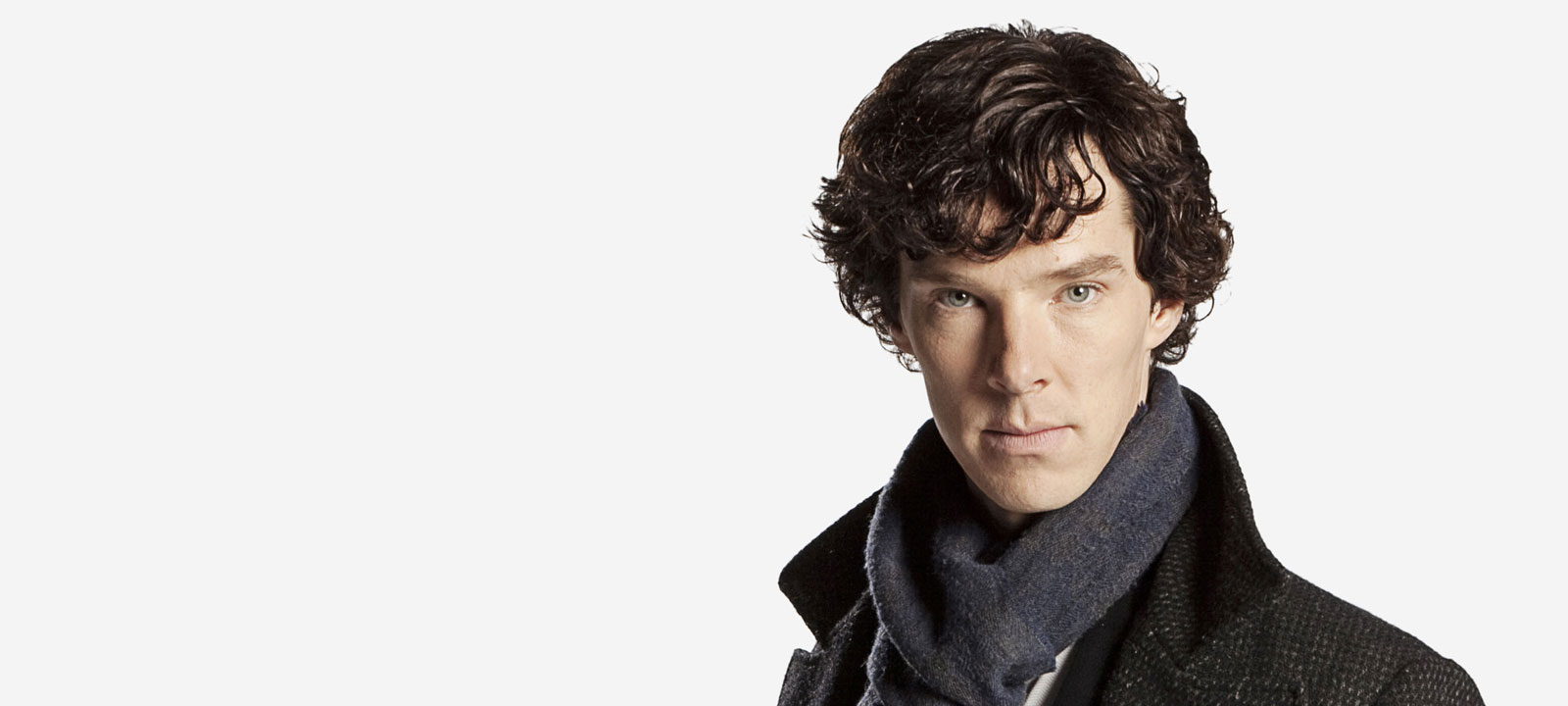
This episode of Sherlock seems to follow the classic three-act structure of regular storytelling relatively well, as well as perfectly fitting into the classic Hollywood narrative - a small group of individuals who encounter specific goals that by the end of the story become clearly attained or unattained. In the case of this show's specific episode, the small group of individuals is Sherlock Holmes and John Watson, encountering the goal of deciphering a code which has been placed all over the place relating to the deaths of seemingly random citizens. By the end, the two have figured out that the numbers were left by a Chinese smuggling ring who are killing in order to attain an item which was stole from them, with the ring except for one being caught and taken away to end the story. In terms of the three act structure, this episode's first act (the setup) consists of the two being appointed to a job to find out who spray painted an odd symbol inside a business (the exposition), finding the man related to the job dead in his apartment (the inciting incident), and finding the same symbol in his house and realizing this death was a murder and deciding to find out who the killer was and why they killed who they did (plot point number one). The second act (confrontation) then begins, with the rising action, which in this case is finding more symbols and people who have been killed the same way, leading them to a location which then leads into the midpoint of the story, being when they find out the symbols were actually Chinese numbers, going to the house they have been led to and finding that the inhabitant is missing. Plot point two then consists of them finding the woman from the house, learning a little more about the mystery before she gets killed. The final act, the resolution, starts with the pre-climax, here being when Watson gets kidnapped by the villains while Sherlock is out of the house, leading into the climax of Sherlock going to where Watson is being held and saves him and the woman he is with, catching most of the criminals there as well and learning all the information they need to. Finally, the denouement finishes off the plot, with Sherlock finding the item that was stolen, receiving their payment and completing their mystery (except for the criminal who escaped).
2. How does binary opposition apply to this episode?
'Binary opposition' in terms of film refers to a pair of characters who are complete opposites in terms of their personalities and actions within the plot. This way of character writing is often used to help the plot move along well, and arguably, is seen within this show's episode within the character dynamic of Sherlock and Watson. While on the surface, the fact that they both work the same job may make them seem very similar, a deeper look into the character's nuances will show that Sherlock is an almost emotionless person, obsessed with figuring out the case they have been set no matter how long it takes or whatever the cost. On the other hand, Watson's character is one of many emotions, finding a potential love interest in doctor Sawyer, who he also meets while looking for a different career path than the one he is already in with Holmes. This character dynamic works the way binary opposition does, with the actions of the two and the reactions they cause between each other leading into further plot points during the episode and eventually bringing us to its conclusion smoothly and in a way that makes logical, satisfying sense.
3. Can Propp's character types be applied to the narrative and if so, how do they help to shape the plot?
There are eight different characters in Vladmir Propp's 'character theory', consisting of: the Hero, Villain, Helper, Princess/Prize, Dispatcher, Donor, Victim and False Hero. Often, movies story's have most, if not all of these character types within their plot, which help the story move along nicely and shape the plot. In terms of this episode of Sherlock, the Hero is of course Sherlock Holmes himself, being the main character who will be recognised as the key character in the narrative by the audience. The Villain, who fights the hero somehow, is recognised from the beginning also, being the person who killed the person from the apartment and is leaving the messages, although we are not shown who exactly the villain is until the end in terms of a physical character. The Helper, as the name shows, helps the story's hero in some way, in terms of giving advice and support for example, who of course would be John Watson in this case. The Princess/Prize character is a bit harder to determine for this story, but it could be argued that Dr Sarah Sawyer fits into this role, being saved at the end from the villain and forming some kind of a relationship with Watson during the episodes runtime. The Hero is given their task by the Dispatcher, in this case being Sebastian Wilkes, Sherlock's old University friend who gives them the job to solve the initial mystery at the beginning of the episode. Finally, Soo Lin could either be the Victim or Donor, the character we are first introduced to in the episode and who disappears when seeing something frightening (of which we find out what it was at the end), but also helps out the Hero by giving them the book cipher in the story's midpoint. The final three character types, being the False Hero, Victim Donor, these are a lot harder to assign to this episode's characters.
4. Who are the main characters and what is their name, age, gender, role in narrative and dramatic intentions?
This episode of the show arguably has three major characters that progress the plot forward: Sherlock Holmes, John Watson and Dr Sarah Sawyer. Sherlock, the title character, is an mysteriously aged male, as it is never stated in the show (although he is said to be aged 34 in the books the show is based on). shown throughout the episode's plot to being dedicated to completing the task they have been set and finishing whoever is behind the murders they have come across - also, like in the rest of the show, his job is a large part of his character, being very good at it due to his analytic mind and personality. Watson acts as his living and working partner, also a male with an age never stated, but simarlily to Sherlock, can be guessed as sixty due to the books. He has the same intentions as Holmes, trying to solve the mystery and progressing the investigation which is set in front of them, but he also plays the role of bringing Sarah into the plot by looking for a different job during the plot. Sarah is the female doctor Sherlock meets at the job he applies to, who ends up going on a date with him and inadvertently helping out the guys solve the problem they are trying to solve.
5. How did the episode vary with the shooting script, and why?
It is not uncommon for a project's shooting script and final product to have some differences, some more noticeable than others. In the case of this episode's shooting script's beginning, a whole two scenes are included in it which are not present within the final aired episode, where a character by the name of Eddie exits a taxi in a panicked rush, entering his apartment and finding a gun, seemingly being followed by and or running from something/someone. There are many reasons why a situation like this could occur, such as those creating it maybe deciding that episode's mystery would flow better with the scenes removed.
Subscribe to:
Posts (Atom)
-
Artist chosen: NF Genre of music: Hip-hop/Rap Type of music video, e.g., performance, narrative, message, etc: Mostly performance & narr...
-
 1. Does the episode follow a 3 act structure and/ or a classical Hollywood narrative? This episode of Sherlock seems to follow the classic t...
 -
 A 'documentary' when it comes to film is a piece of media which provides a factual report or insight on a particular subject, often ...